

Understanding Inclined Plate Clarifiers: An In-depth Overview
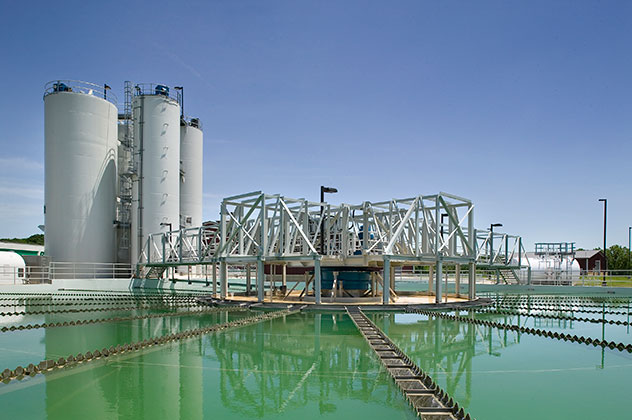
Inclined Plate Clarifiers (IPC), also known as lamella clarifiers, are an advanced and efficient type of sedimentation tank used in water treatment processes. They play a crucial role in various industries, including municipal water treatment, industrial wastewater treatment, and mining operations. This blog post will delve into the working principles, design features, applications, and benefits of inclined plate clarifiers, providing a comprehensive understanding of this essential water treatment technology.
Working Principles of Inclined Plate Clarifiers
Inclined plate clarifiers operate on the principle of gravity settling, where suspended solids are allowed to settle out of a liquid phase. The key innovation in IPCs is the inclusion of inclined plates or tubes, which increase the effective settling area and enhance the sedimentation process.
- Gravity Settling: As water flows into the clarifier, it passes over a series of inclined plates. The solids in the water settle onto the plates and slide down to the bottom due to gravity.
- Increased Settling Area: The inclination of the plates increases the settling surface area without requiring a larger footprint. This configuration allows for more efficient and faster sedimentation compared to traditional clarifiers.
- Laminar Flow: The design ensures that the flow remains laminar, reducing turbulence and allowing finer particles to settle.

Inclined plate clarifier Stand-Alone Units: Efficient Solutions for Smaller Flow Rates
SuperSettler stand-alone units are designed as comprehensive and self-contained package units tailored for efficiently managing smaller flow rates in water and wastewater treatment. These units feature advanced inclined plates strategically installed within robust stainless steel tanks. Depending on specific application needs, the tanks can be equipped with either a hopper bottom or a sludge thickening bottom for optimal sedimentation and sludge management.
For enhanced performance and efficiency, SuperSettler stand-alone units can be integrated with additional components such as flocculation tanks and mixers. The flocculation tanks facilitate the aggregation of fine particles into larger, more easily settled flocs. The mixers ensure a uniform and effective flocculation process, maximizing the sedimentation efficiency and improving overall treatment performance.
Designed for various water and wastewater treatment applications, SuperSettler stand-alone units offer a reliable and efficient method for improving water quality. Their compact, cost-effective design makes them ideal for municipal, industrial, and commercial settings. By incorporating these advanced features, SuperSettler units ensure optimal sedimentation, effective sludge management, and superior water treatment results.
Explore the benefits of SuperSettler stand-alone units for your water treatment needs and discover why they are the preferred choice for efficient, smaller flow rate management.

Design Features of Inclined Plate Clarifiers
Inclined plate clarifiers (IPCs) are designed with key features that ensure high efficiency and effectiveness in sedimentation processes, making them ideal for water and wastewater treatment applications. Here are the essential design features of IPCs:
Inclined Plates: The inclined plates are set at an optimal angle of around 55 to 60 degrees. This inclination maximizes the settling area, allowing particles to settle more effectively while ensuring that settled solids slide down to the bottom of the clarifier. This design enhances the overall sedimentation efficiency compared to traditional sedimentation tanks.
Compact Footprint: IPCs are known for their compact design, which is achieved through the use of inclined plates. This compact footprint makes them suitable for facilities with limited space, such as urban or industrial settings. Despite their small size, IPCs provide high throughput and efficient sediment removal, making them a space-saving solution without compromising performance.
Effluent Collection Troughs: Strategically placed at the top of the clarifier, effluent collection troughs gently collect the treated water. These troughs are designed to minimize disturbance to the settling process, preventing re-suspension of settled solids and maintaining the efficiency of sedimentation. The proper placement and design of these troughs are crucial for ensuring high-quality treated effluent.
Sludge Hopper: A sludge hopper located at the bottom of the clarifier collects settled solids. This feature allows for the efficient removal of sludge, which can be done periodically or continuously, depending on the clarifier’s design. Efficient sludge management is essential for maintaining the clarifier’s performance and preventing sludge buildup that could hinder the settling process.
Adjustable Flow Distribution: Many IPCs feature adjustable flow distribution mechanisms to ensure uniform distribution of influent across the entire clarifier. This design helps optimize sedimentation by preventing localized overloading and ensuring all particles have an equal opportunity to settle.
Durable Construction Materials: IPCs are constructed from durable materials such as stainless steel or high-quality plastic, which are resistant to corrosion and wear. These materials ensure the longevity and reliability of the clarifiers, even in harsh operating conditions, providing a cost-effective solution over the long term.
Easy Maintenance: The design of IPCs often includes features that facilitate easy maintenance, such as removable plates and accessible components. This ease of maintenance helps reduce downtime and operational costs, making IPCs an efficient and cost-effective solution for sedimentation needs.
Applications of Inclined Plate Clarifiers
Inclined plate clarifiers (IPCs) are versatile and efficient devices used in a wide range of applications across various industries. Their design allows for effective sedimentation and clarification, making them a preferred choice in the following applications:
Municipal Water Treatment: IPCs are integral components in municipal water treatment plants. They are used to clarify raw water and treat secondary effluent. The inclined plates maximize the settling area, enabling efficient removal of suspended solids and particulate matter. This results in high-quality treated water that meets regulatory standards for safe drinking water.
Industrial Wastewater Treatment: IPCs are widely used in various industrial sectors, including food processing, chemical manufacturing, and pharmaceuticals. These industries generate wastewater with high levels of suspended solids, which need to be removed before discharge or further treatment. IPCs effectively reduce the concentration of suspended solids, ensuring that the effluent meets environmental discharge standards and reducing the load on subsequent treatment processes.
Mining Operations: In mining operations, IPCs play a crucial role in treating process water. During ore processing, fine particulates are generated, which need to be removed to prevent equipment damage and environmental contamination. IPCs efficiently remove these fine particulates, improving the quality of process water and reducing the environmental impact of mining activities. This makes IPCs essential for maintaining compliance with environmental regulations and ensuring the sustainability of mining operations.
Stormwater Treatment: IPCs are highly effective in treating stormwater runoff. Stormwater can carry sediments, debris, and pollutants from urban and industrial areas, which can harm natural water bodies if not treated properly. IPCs remove these sediments and associated pollutants, ensuring that the treated stormwater is safe for discharge into natural water bodies. This application is particularly important in urban areas, where effective stormwater management is crucial for protecting water quality and preventing flooding.

Benefits of Inclined Plate Clarifiers
Inclined plate clarifiers (IPCs) provide numerous advantages over traditional sedimentation tanks, making them an essential component in modern water and wastewater treatment processes. Here are the key benefits of using IPCs:
High Efficiency: One of the most significant benefits of IPCs is their high sedimentation efficiency. The inclined plates increase the settling area within the clarifier, allowing for more effective removal of suspended solids. This enhanced settling area means that particles settle faster and more completely than in traditional sedimentation tanks, resulting in higher-quality effluent. This high efficiency is critical in meeting stringent regulatory standards for water and wastewater treatment.
Space Saving: IPCs are designed to be compact, requiring significantly less space than conventional clarifiers. This space-saving design is particularly advantageous for facilities with limited real estate, such as urban water treatment plants and industrial sites. Despite their smaller footprint, IPCs do not compromise on performance, making them an ideal solution for maximizing efficiency in constrained spaces.
Cost-Effective: IPCs typically involve lower capital investment and operational costs compared to traditional sedimentation tanks. The efficient design of IPCs means that they require fewer materials and less construction time, reducing initial costs. Additionally, their compact footprint translates to lower land acquisition and site preparation expenses. Operational costs are also minimized due to the reduced energy and chemical requirements associated with their efficient settling process.
Easy Maintenance: The design of IPCs facilitates easy maintenance and sludge removal. The inclined plates and sludge hopper are accessible, allowing for straightforward inspection, cleaning, and maintenance. This ease of access reduces downtime and maintenance labor costs, ensuring that the clarifiers remain operational and efficient over the long term.
Versatility: IPCs are highly versatile and can handle a wide range of flow rates and types of suspended solids. This versatility makes them suitable for various applications, including municipal water treatment, industrial wastewater treatment, mining operations, and stormwater management. The ability to adapt to different operational conditions ensures that IPCs can meet the specific needs of diverse treatment processes.
Additional Benefits
Durable Construction: IPCs are often constructed from high-quality materials such as stainless steel or reinforced plastics, which offer excellent durability and resistance to corrosion. This robust construction ensures long-term reliability and reduces the need for frequent replacements.
Improved Settling Dynamics: The inclined plates create a more stable and controlled settling environment. This results in more uniform particle settling and less turbulence, further enhancing the clarifier’s efficiency and performance.
Scalability: IPCs can be easily scaled up or down to match the required treatment capacity. This scalability allows for flexible implementation in both small-scale and large-scale operations, providing a tailored solution to meet specific treatment demands.
Challenges and Considerations of Inclined Plate Clarifiers
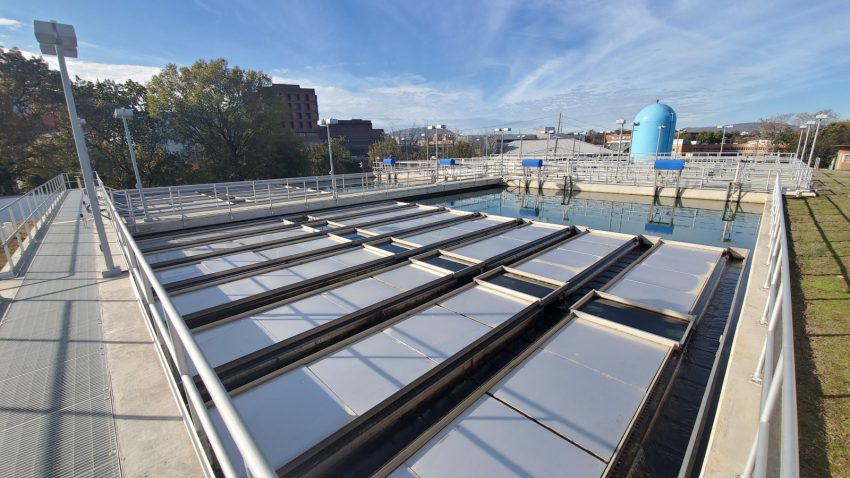
While inclined plate clarifiers (IPCs) offer numerous benefits, there are several challenges and considerations that need to be addressed to ensure optimal performance and efficiency. Understanding and managing these challenges is crucial for the successful implementation and operation of IPCs.
Fouling and Scaling: One of the primary challenges associated with IPCs is fouling and scaling of the inclined plates. Over time, the plates can accumulate organic matter, inorganic particulates, and biological growth, which can reduce the settling efficiency and overall performance of the clarifier. Regular cleaning and maintenance are essential to prevent fouling and scaling. Implementing a routine maintenance schedule and using anti-fouling coatings or materials can help mitigate this issue.
Design Optimization: Proper design and sizing of IPCs are critical to achieving the desired performance. Various factors, such as flow rate, particle size distribution, and solids loading, must be carefully considered during the design phase. An optimized design ensures that the IPC can handle the expected influent characteristics while maintaining high efficiency. Computational fluid dynamics (CFD) modeling and pilot testing can be used to fine-tune the design and verify its effectiveness before full-scale implementation.
Sludge Management: Efficient sludge management is necessary to prevent the re-suspension of settled solids and maintain the performance of the clarifier. The design of the sludge hopper and removal system should facilitate the easy and continuous removal of settled sludge. Inadequate sludge management can lead to the accumulation of solids at the bottom of the clarifier, which can be re-suspended during high flow events, reducing the efficiency of the system. Automated sludge removal systems and regular monitoring of sludge levels can help manage this challenge effectively.
Operational Considerations: Operators need to be trained on the specific operational requirements of IPCs. This includes understanding the optimal flow rates, recognizing signs of fouling or scaling, and knowing how to perform routine maintenance tasks. Proper operation is key to maintaining the long-term efficiency and reliability of the IPC.
Water Quality Variability: IPCs need to be adaptable to variations in water quality, such as changes in influent suspended solids concentration or the presence of unexpected contaminants. Designing the IPC to handle a range of conditions and incorporating pre-treatment steps, such as coagulation and flocculation, can help manage water quality variability.
Cost Implications: While IPCs are generally cost-effective, initial capital investment and ongoing operational costs must be considered. Factors such as material selection, installation complexity, and maintenance requirements can impact the overall cost. Performing a cost-benefit analysis during the planning stage can help ensure that the IPC provides a good return on investment.
Conclusion: Advantages of Inclined Plate Clarifiers in Water and Wastewater Treatment
Inclined plate clarifiers (IPCs) represent a cutting-edge and highly efficient solution for sedimentation in both water and wastewater treatment processes. Their compact design, high efficiency, and versatility make them an attractive option for a broad spectrum of applications, ranging from municipal water treatment plants to industrial wastewater facilities.
Key Advantages of Inclined Plate Clarifiers
Compact Design: The space-saving nature of IPCs allows them to be implemented in facilities with limited space, making them ideal for urban settings and industrial plants where real estate is at a premium.
High Efficiency: IPCs provide superior sedimentation efficiency due to the increased settling area provided by the inclined plates. This leads to better removal of suspended solids and higher-quality effluent, essential for meeting stringent regulatory standards.
Versatility: IPCs are adaptable to a wide range of flow rates and types of suspended solids, making them suitable for diverse applications. This versatility ensures that IPCs can meet the specific needs of various water and wastewater treatment processes.
Informed Decision-Making for Optimal Performance
Understanding the working principles, design features, applications, and benefits of inclined plate clarifiers is crucial for engineers and operators. By thoroughly understanding these aspects, professionals can make informed decisions that optimize water treatment processes, enhancing efficiency and ensuring compliance with environmental regulations.