

Sewage Treatment Plants (STPs) are crucial facilities that treat wastewater, ensuring that water discharged into the environment is safe for use and meets regulatory standards. The primary goal of STPs is to remove contaminants such as organic matter, pathogens, nitrogen, and phosphorus from wastewater. The proper treatment of sewage is essential to safeguard water sources, protect ecosystems, and public health.
As urbanization grows, the demand for effective STPs is increasing globally. In this context, the Moving Bed Bioreactor (MBBR) technology plays a vital role in improving the efficiency of sewage treatment. MBBR carrier media are integral components that help reduce Biochemical Oxygen Demand (BOD) levels in wastewater, significantly improving water quality.
Key Features of MBBR Media for STP
1. Efficient Oxygen Transfer
MBBR media for STP are specially designed plastic carriers that float in aeration tanks. These carriers offer a large surface area for microorganisms to grow. The floating media help resist bubbles from the aeration system, allowing air to stay in the water longer. This extended contact time promotes better oxygen transfer, which is crucial for microbial degradation of organic matter in wastewater. By improving oxygen transfer, the moving bed bioreactor media effectively reduce BOD levels and enhance the overall efficiency of sewage treatment.
2. Improved Wastewater Treatment
MBBR carrier media offer an efficient, space-saving solution for wastewater treatment. Microorganisms grow on the surface of the plastic media, creating a biofilm that continuously breaks down organic pollutants. This biological treatment process ensures the removal of contaminants in a compact reactor design. As the media moves through the reactor, it ensures even distribution of microorganisms, improving contact between the microbes and wastewater for more effective BOD reduction.
3. Compact Design and High Efficiency
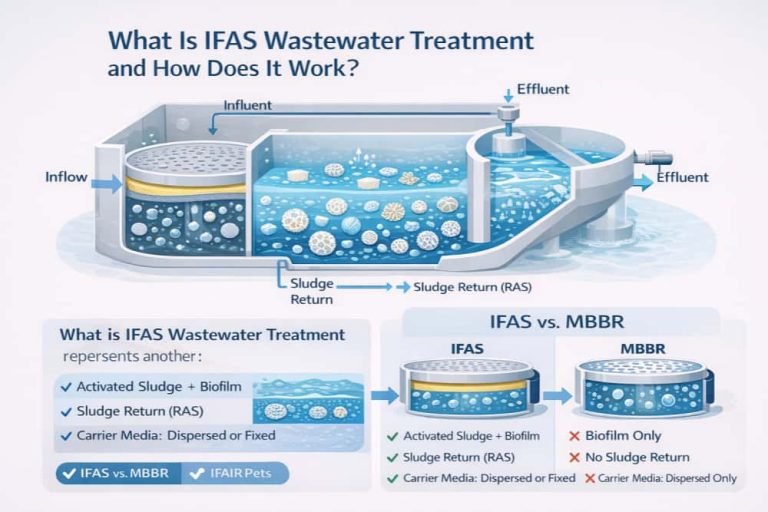
One of the key advantages of MBBR media for STP is the compact nature of the system. Traditional activated sludge systems require large, open tanks, whereas MBBR systems can function in smaller, enclosed reactors. The moving bed bioreactor media in these systems provide high surface area for biofilm growth, which helps optimize the biological treatment process. This allows for a more efficient sewage treatment process with less land area required, making it ideal for urban areas.

Working Principles of MBBR Technology
MBBR technology integrates both suspended and attached growth processes to achieve highly efficient wastewater treatment. The plastic media move in the aeration tank, providing surfaces for the growth of microorganisms. These microbes degrade organic matter in wastewater, resulting in the removal of contaminants.
1. Biofilm Formation on Carrier Media
The MBBR carrier media are made from specially designed plastic materials that promote microbial growth. The surface of the media supports the formation of biofilm, where microorganisms thrive and break down organic pollutants present in the water. This biofilm plays a central role in the treatment process by removing BOD.
2. Aeration for Oxygen Supply
The MBBR system relies on aeration to provide oxygen to the biofilm. Aeration not only helps microorganisms metabolize organic matter but also ensures that the moving bed bioreactor media remain in motion. This movement maximizes the exposure of organic matter to microbial action, further enhancing BOD reduction.
3. Secondary Treatment and BOD Removal
The primary focus of MBBR media for STP is to reduce BOD levels in the wastewater. The aeration system and floating plastic carriers work together to promote the growth of microorganisms that decompose organic pollutants. As the biofilm grows on the media, it breaks down more organic material, lowering the BOD and improving water quality.
Advantages of Using MBBR Media for STP
– Compact and Space-Efficient: The moving bed bioreactor media can be used in compact systems, making them ideal for urban wastewater treatment plants where space is limited.
– High Treatment Efficiency: With a large surface area for biofilm growth, the MBBR media for STP provide a highly efficient treatment process, ensuring significant reductions in BOD levels.
– Low Maintenance: The MBBR system is relatively easy to maintain compared to traditional systems. The floating media design minimizes the need for extensive maintenance, reducing operational costs.
– Flexibility: MBBR media are suitable for a wide range of wastewater treatment applications, from municipal sewage treatment to industrial wastewater management. The system can be adapted to various treatment scenarios and can handle fluctuating wastewater loads.

Applications of MBBR Media in Sewage Treatment
The moving bed bioreactor media are widely used in various sewage treatment applications. The flexibility and efficiency of the MBBR system make it suitable for both large-scale and smaller wastewater treatment plants.
1. Municipal Wastewater Treatment
In urban areas, MBBR media for STP are ideal for treating municipal sewage. Their compact design allows them to be used in crowded cities, where space for large treatment facilities is limited.
2. Industrial Wastewater Treatment
The MBBR system is also highly effective in treating wastewater from industries like food and beverage production, pharmaceuticals, and textiles. The ability to handle high organic loads makes it a valuable solution for industrial applications.
3. Upgrade of Existing Plants
Existing treatment plants can benefit from the integration of MBBR carrier media. These media can be added to older systems to improve performance without the need for significant infrastructure changes.
Conclusion
The MBBR media for STP represent a significant advancement in wastewater treatment technology. By offering high efficiency in BOD reduction, a compact design, and low maintenance requirements, moving bed bioreactor media are becoming an increasingly popular choice in modern sewage treatment systems. The ability to handle varying wastewater loads and reduce organic contaminants effectively makes MBBR a reliable and flexible solution for both municipal and industrial wastewater management.
By using MBBR carrier media, STPs can improve the quality of water discharged into the environment, making a significant contribution to environmental sustainability and public health.