

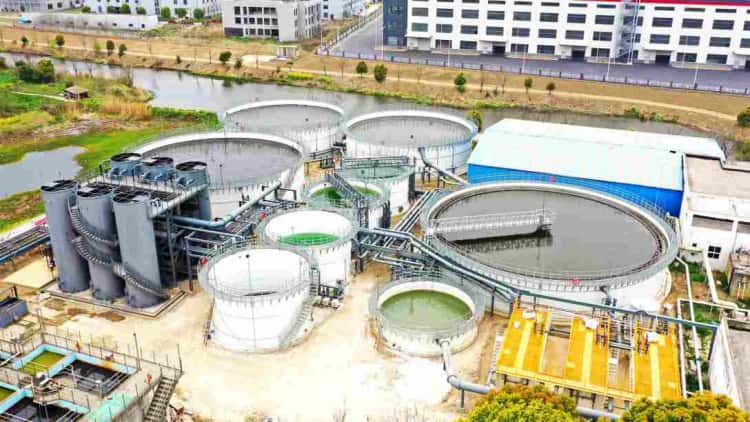
Aeration systems are a vital component in wastewater treatment plants as they provide the necessary oxygen required for the efficient breakdown of organic pollutants. These systems enable aerobic digestion by facilitating the introduction of oxygen into the wastewater, which supports the growth of microorganisms that degrade organic matter. The proper design, selection, and operation of aeration systems are critical to ensuring that wastewater treatment is effective, meets regulatory standards, and operates with maximum efficiency. This article delves into the importance of aeration systems, the various types used in wastewater engineering, and key design considerations to optimize treatment performance.
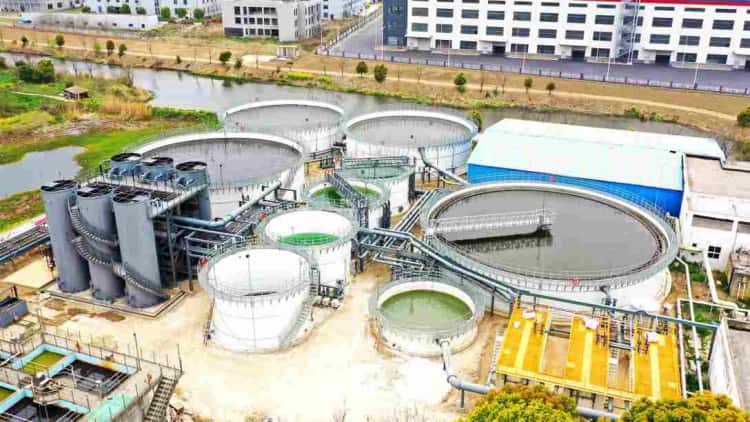
Aeration systems are a vital component in wastewater treatment plants as they provide the necessary oxygen required for the efficient breakdown of organic pollutants. These systems enable aerobic digestion by facilitating the introduction of oxygen into the wastewater, which supports the growth of microorganisms that degrade organic matter. The proper design, selection, and operation of aeration systems are critical to ensuring that wastewater treatment is effective, meets regulatory standards, and operates with maximum efficiency. This article delves into the importance of aeration systems, the various types used in wastewater engineering, and key design considerations to optimize treatment performance.
1. Wastewater Characteristics and Treatment Requirements
Before designing an aeration system, a comprehensive understanding of the wastewater characteristics is essential. Wastewater varies in its composition, which directly influences the amount of oxygen required. Key characteristics include Biochemical Oxygen Demand (BOD), Chemical Oxygen Demand (COD), temperature, pH, and the presence of other pollutants.
BOD and COD are two important parameters that determine the level of organic pollutants in wastewater. Higher levels of BOD and COD indicate a greater concentration of organic matter, necessitating more oxygen for treatment. Aeration systems are designed to ensure that sufficient oxygen is supplied to reduce these values to acceptable levels for discharge or reuse.
The pH level of wastewater affects microbial activity and the overall efficiency of the treatment process. In general, wastewater treatment processes are more efficient when the pH is maintained within a certain range, typically between 6 and 8. Wastewater with high acidity or alkalinity may require adjustments or additional treatment processes to ensure that aerobic digestion occurs effectively.
Temperature is another crucial factor influencing microbial activity in wastewater. Microorganisms are more active at warmer temperatures, which facilitates faster degradation of organic materials. However, excessively high temperatures can inhibit microbial growth or lead to system inefficiencies. Designing an aeration system that accounts for varying temperature conditions is essential for maintaining optimal treatment efficiency.
2. Types of Aeration Systems and Their Applications
Aeration systems can be categorized based on their method of introducing oxygen into wastewater. The most common types of aeration systems include mechanical surface aerators, diffused aeration systems, jet aeration systems, and submersible aeration systems. Each system has its advantages and specific applications based on the treatment needs of the wastewater and the available space.
- Mechanical Surface Aerators: These systems use mechanical agitation to mix air with wastewater, creating a turbulent environment at the surface to enhance oxygen transfer. They are ideal for large-scale treatment plants, especially in oxidation ponds or lagoons. The major advantage of mechanical surface aerators is their high oxygen transfer rate, but they consume significant energy and require regular maintenance to prevent mechanical wear.
- Diffused Aeration Systems: Diffused aeration involves pumping compressed air through diffusers located at the bottom of aeration tanks. These diffusers release fine bubbles that maximize the surface area available for oxygen transfer. The advantages of diffused aeration systems include efficient oxygen distribution and lower energy consumption compared to mechanical aerators. However, they require periodic maintenance to clean biofilm buildup on the diffusers.
- Jet Aeration Systems: Jet aeration systems combine high-pressure air and water to create a mixture of fine bubbles, providing efficient oxygen transfer. These systems are particularly useful in deep tanks or when dealing with wastewater containing a high concentration of solids. Jet aeration systems are highly effective but tend to have higher operational costs and more complex installation and maintenance needs.
- Submersible Aeration Systems: Submersible aeration systems consist of diffusers placed at the bottom of tanks or ponds. These systems are often less disruptive to the surface of the wastewater, making them ideal for applications where surface disturbance should be minimized. Submersible aerators are also highly efficient in terms of oxygen transfer, but they are prone to clogging and scaling, requiring regular cleaning and maintenance.
3. Oxygen Transfer Efficiency and Key Design Parameters
The Oxygen Transfer Rate (OTR) is a critical parameter in the design of aeration systems. OTR measures how much oxygen is transferred from the air into the wastewater during the aeration process. The higher the OTR, the more efficient the system is in treating wastewater. The OTR is influenced by several factors, including the size and distribution of air bubbles, the depth of the tank, and the wastewater’s characteristics.
To optimize OTR, careful consideration must be given to the design of aeration tanks and the selection of the appropriate type of aeration system. For instance, fine bubble diffusers typically provide higher oxygen transfer efficiency than coarse bubble diffusers, as the smaller bubbles have a larger surface area for oxygen absorption. Additionally, the oxygen transfer efficiency is affected by the wastewater’s temperature, pH, and the presence of suspended solids, all of which can impact the solubility of oxygen.
The OTR can be calculated using the following formula:
OTR = KLa × (Cs - C)
Where:
- KLa is the overall mass transfer coefficient
- Cs is the saturation concentration of oxygen
- C is the actual concentration of oxygen in the wastewater
4. Energy Efficiency and Operational Costs
Energy efficiency plays a significant role in aeration system design. Aeration is one of the most energy-intensive operations in wastewater treatment, so designing energy-efficient systems is essential to reduce operational costs. Modern aeration systems, such as those with variable frequency drives (VFD), automatically adjust the aeration rate based on the oxygen demand of the wastewater. This allows for energy savings while maintaining effective treatment.
Additionally, aeration systems should be designed to match the treatment plant’s capacity. Oversized systems lead to higher energy consumption, while undersized systems result in inadequate treatment and potential regulatory non-compliance. Therefore, careful planning is required to ensure that the aeration system is appropriately sized and optimized for energy efficiency.
5. The Role of Dissolved Oxygen (DO) Monitoring and Control
Dissolved oxygen (DO) is a key indicator of the effectiveness of the aeration process. Maintaining the proper DO level is crucial for optimal wastewater treatment. If oxygen levels are too low, biological treatment will be inefficient, while excessive oxygen can waste energy and increase operational costs.
DO sensors play a critical role in monitoring and controlling oxygen levels in wastewater treatment plants. These sensors provide real-time data that can be used to adjust the aeration rate, ensuring that DO levels remain within the ideal range for biological activity. There are two main types of DO sensors:
- Optical DO Sensors: These sensors utilize fluorescence technology for high-precision and low-maintenance oxygen monitoring. Optical sensors are ideal for real-time monitoring and can provide accurate readings in a variety of wastewater conditions.
- Chemical DO Sensors: Chemical DO sensors use electrochemical reactions to measure oxygen levels. These sensors are widely used in wastewater treatment applications, but they require periodic maintenance and calibration to ensure accurate readings.
By integrating DO sensors with modern control systems, such as SCADA (Supervisory Control and Data Acquisition), treatment plants can automate the aeration process, optimizing both efficiency and energy usage.
6. Maintenance and Operational Considerations
Regular maintenance is essential for the continued performance of aeration systems. Over time, aeration equipment can suffer from wear and tear, biofilm buildup, or clogging. A well-designed system allows for easy access to equipment for cleaning, inspection, and repair. Additionally, operators must be properly trained to manage the system efficiently and identify issues before they lead to failures.
7. Conclusion
Aeration systems play an essential role in wastewater treatment, enabling the breakdown of organic pollutants and ensuring that treated water meets environmental standards. The design and operation of these systems are critical to achieving optimal treatment performance. By understanding wastewater characteristics, selecting the appropriate aeration technology, and optimizing energy use through real-time monitoring, wastewater treatment facilities can improve their efficiency and reduce operational costs, contributing to more sustainable water management practices.