

Modern industrial and municipal wastewater often contains complex chemicals, pharmaceutical residues, pesticides, personal care products, industrial chemicals, and organic pollutants. These contaminants not only damage ecosystems but also pose long-term public health risks. Chemical pollutants in wastewater are often colorless, odorless, and present at low concentrations, making them difficult to remove using conventional physical or biological methods.
To ensure water safety, improve water reuse efficiency, and comply with stringent discharge standards, chemistry wastewater treatment has become a critical component of modern wastewater engineering. Efficient chemical treatment, combined with advanced equipment and optimized operation, is key to sustainable wastewater management.
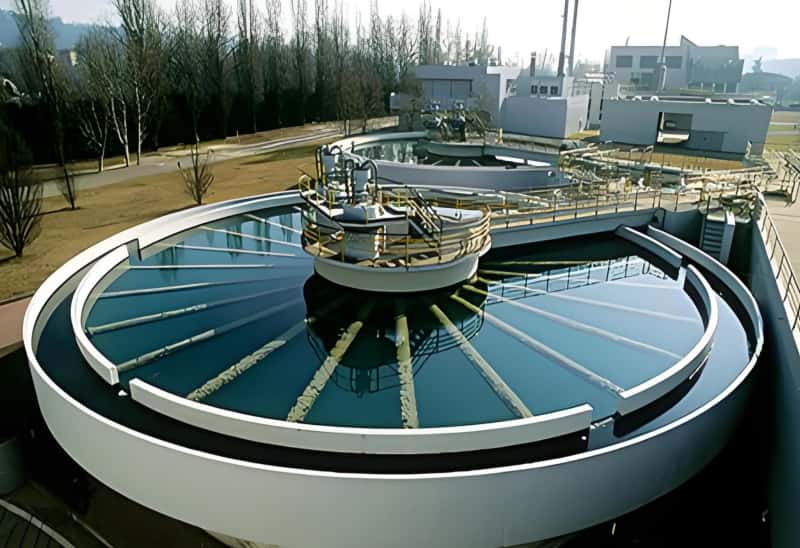
Wastewater originates from diverse sources, including:
- Industrial production (chemical, pharmaceutical, food processing, pulp and paper, etc.)
- Commercial facilities and agriculture
- Healthcare and laboratory facilities
- Municipal domestic sewage
Major pollutants include:
- Suspended solids and colloidal particles
- Organic matter (BOD/COD sources)
- Inorganic salts and heavy metals
- Pharmaceutical and personal care product residues
- Pesticides and endocrine-disrupting chemicals (EDCs)
- Residual antibiotics
These pollutants can cause:
- Eutrophication (excess nitrogen and phosphorus)
- Damage to aquatic ecosystems
- Health risks (E. coli, viruses, and toxic chemicals)
- Antimicrobial resistance (AMR) concerns
Effective wastewater treatment must target different pollutants using a combination of chemical, biological, and membrane technologies to ensure water quality and ecosystem protection.
Chemical treatment in modern wastewater engineering primarily focuses on removing dissolved pollutants, pH adjustment, suspended solids precipitation, and oxidation of organic and inorganic chemicals. Common approaches include:
1. pH Adjustment
- Facilitates precipitation reactions (e.g., heavy metal salts)
- Enhances coagulant efficiency
- Optimizes disinfection reactions (e.g., HOCl ratio in chlorination)
Common chemicals: sodium hydroxide, lime, phosphoric acid, hydrochloric acid, sodium carbonate, sodium bicarbonate. Proper selection and dosing optimize subsequent treatment performance and minimize chemical usage.
2. Coagulation and Flocculation
Most suspended solids are charged microparticles. Coagulants neutralize charges to form microflocs, while flocculants bridge microflocs into settleable aggregates.
- Coagulants: polyaluminium chloride (PAC), ferric salts (ferric chloride, ferric sulfate), tannin-based polymers
- Flocculants: anionic/cationic polyacrylamides with varying molecular weights and charge densities
Coagulation/flocculation removes 80–90% of suspended solids, reducing BOD/COD and phosphorus. Proper mixing prevents floc breakup.
3. Adsorption and Oxidation
- Granular activated carbon (GAC) adsorbs organics, pharmaceuticals, pesticides, and endocrine disruptors
- Advanced oxidation processes (AOPs) degrade recalcitrant organics and cosmetic residues
- Oxidizing agents (hydrogen peroxide, chlorites) disinfect water and oxidize organics
4. Biological Membrane Treatment
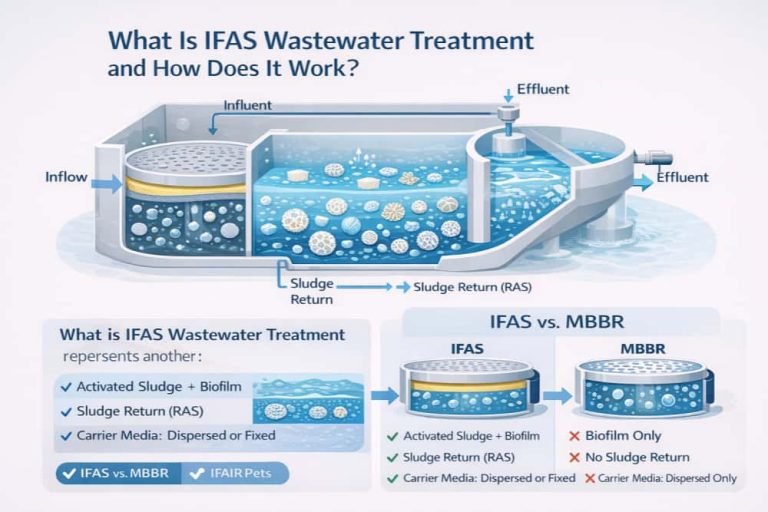
Membrane bioreactors (MBR) combine biological degradation with micro/ultrafiltration, removing pathogens and micro-pollutants efficiently while reducing sludge production. MBR is suitable for industrial and commercial wastewater treatment requiring precise contaminant control.
5. Advanced Filtration and Tertiary Treatment
- Ultraviolet disinfection (UV)
- Ion exchange
- Precision filtration
- Reverse osmosis (RO)
- Zero liquid discharge (ZLD) systems
Tertiary treatment ensures water meets reuse or discharge standards while reducing ecological and health risks.
Common wastewater treatment chemicals used in chemical processes include:
- pH regulators: lime, sodium hydroxide, hydrochloric acid, sodium carbonate
- Coagulants: PAC, ferric salts, tannin-based polymers
- Flocculants: anionic/cationic polyacrylamides
- Oxidants/disinfectants: sodium hypochlorite, sodium chlorite, hydrogen peroxide
- Adsorbents: granular activated carbon
- Corrosion inhibitors and odor control agents: phosphates, natural plant oil formulations
Proper equipment selection and operation are critical for effective chemical wastewater treatment:
- High-quality aeration devices (PTFE membranes, fine bubble disc/plate diffusers) improve oxygen transfer efficiency
- Optimized coagulation/flocculation zones prevent floc breakage
- MBR and membrane systems reduce sludge production and remove micro-pollutants
- Advanced oxidation and activated carbon enhance refractory organic removal
Operational best practices include:
- Regular cleaning of membranes and filtration systems
- Monitoring pH, dissolved oxygen, sludge levels, and chemical dosing
- Adjusting chemical doses to compensate for water quality fluctuations
- Timely replacement of aging or damaged equipment
Preventing chemical contamination at the source is equally important:
- Industrial pre-treatment and segregation of effluent streams
- Oil and heavy metal separation before wastewater enters the plant
- Optimized manufacturing processes to minimize hazardous chemicals in effluent
- Chemical and biological treatment at the plant to ensure complete pollutant removal
The engineering significance of chemical wastewater treatment includes:
- Protecting aquatic ecosystems by removing nitrogen, phosphorus, pharmaceuticals, and industrial chemicals
- Safeguarding public health by eliminating pathogens and toxic chemicals
- Supporting water reuse through advanced treatment processes
- Reducing sludge and energy consumption by integrating chemical treatment with membrane technology
- Addressing modern industrial challenges posed by low-concentration, high-toxicity chemicals
Modern wastewater treatment is a synergy of chemical treatment of wastewater, biological processes, and advanced membranes. By selecting appropriate wastewater treatment plant chemicals, optimizing equipment and process design, and implementing scientific operation and maintenance practices, engineers can effectively control pollutants in sewage, ensuring environmental safety and public health. This white paper provides a complete framework from chemical selection to equipment application, process optimization, and operational management, applicable to industrial, pharmaceutical, personal care, and municipal wastewater treatment projects.