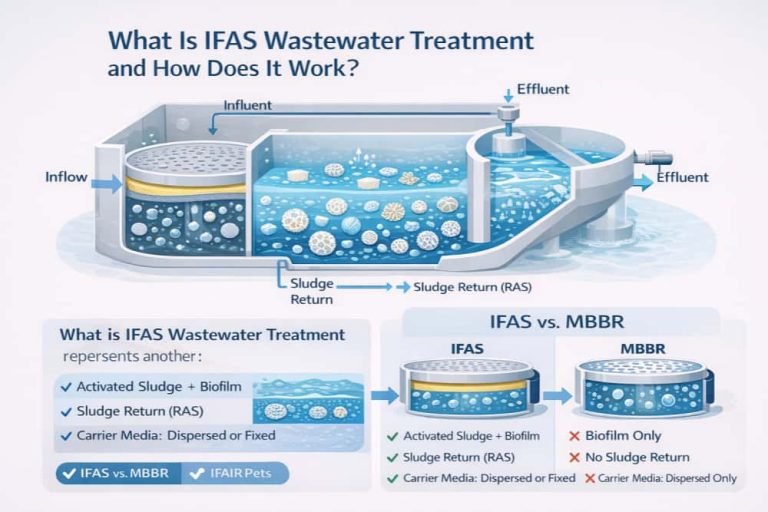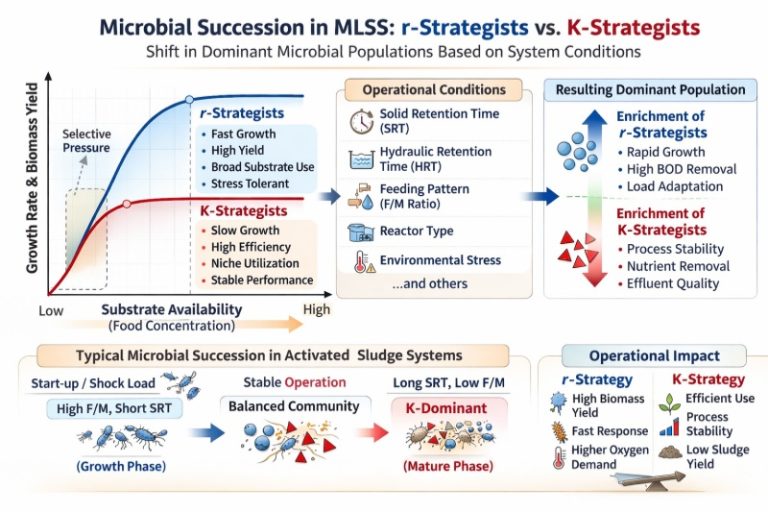


In recent years, aerobic granular sludge (AGS) has emerged as one of the most promising innovations in the field of wastewater treatment. Representing a leap forward in both environmental engineering and microbial ecology, this advanced biological process is transforming how we treat polluted water—making systems more compact, energy-efficient, and environmentally sustainable.
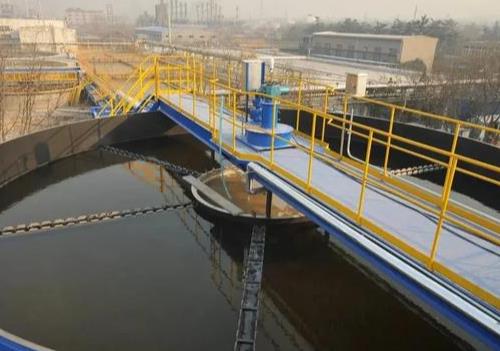
Understanding Aerobic Granular Sludge
Aerobic granular sludge is a type of granular sludge formed by the natural aggregation of microorganisms under controlled conditions. These microbes form dense, spherical clusters—called aerobic granules—which are structurally layered and functionally diverse. Unlike the loose flocs found in traditional activated sludge systems, aerobic granules settle much faster and offer greater structural stability.
Each granule contains zones of aerobic, anoxic, and anaerobic activity, allowing it to function like a miniature biological treatment plant. As a result, AGS enables the simultaneous removal of organic matter, nitrogen compounds (via nitrification and denitrification), and phosphorus—all within a single reactor tank.
A Comparison to Traditional Methods
For decades, the activated sludge process (ASP) has been the most widely used biological treatment method in municipal and industrial wastewater treatment plants. In ASP, microorganisms remain suspended as flocs that require large settling tanks and multiple treatment stages.
In contrast, aerobic granular sludge technology consolidates these functions into a single, efficient system. The unique physical and microbiological characteristics of aerobic granular biomass allow for higher biomass retention, better resilience to load fluctuations, and significantly reduced system footprint.

How Does the Aerobic Granular Sludge Process Work?
AGS is commonly implemented using sequencing batch reactors (SBRs), which operate in a cyclical mode. The aerobic granular sludge process includes the following phases:
- Fill Phase: Wastewater enters the reactor.
- Aeration Phase: Fine-bubble aeration supplies oxygen, promoting microbial activity and biochemical reactions.
- Settling Phase: Due to their high density, aerobic granules quickly settle to the bottom.
- Decanting Phase: Treated water is discharged, and a portion of excess sludge is removed.
This aerobic granular wastewater treatment approach simplifies plant design by eliminating the need for secondary clarifiers, selector zones, and complex recirculation systems.
Key Advantages of Aerobic Granular Sludge Technology
- Space-saving: AGS systems require up to 75% less footprint than conventional systems.
- Energy-efficient: Aeration and pumping energy requirements are significantly lower.
- Integrated treatment: Simultaneously removes carbon, nitrogen, and phosphorus.
- Fast settling: No need for secondary clarifiers thanks to high settling velocities.
- Lower sludge yield: Reduces the burden of sludge dewatering and disposal.
- Robust performance: Maintains treatment efficiency under variable influent conditions.
Technical Characteristics of AGS
- High MLSS: Operates at >8,000 mg/L without affecting aeration efficiency.
- Excellent settleability: SVI values as low as 30–50 mL/g.
- Self-structured granules: Built with EPS for structural stability.
Limitations and Challenges
- Startup period required to form granules.
- Sensitivity to toxic shocks or influent fluctuations.
- Limited industrial case data for heavily polluted wastewater.
- Granule disintegration at excessive organic loading.
Where Is AGS Most Suitable?
- Municipal wastewater treatment plants
- Food and beverage processing facilities
- Decentralized or space-limited systems
- Retrofit applications for existing infrastructure
The Future of Water Treatment: Sustainable and Smart
In the face of rising environmental pressures, stricter discharge regulations, and land scarcity, aerobic granular sludge technology offers a transformative solution. It combines biological precision with engineering simplicity, making it a top candidate for the next generation of wastewater treatment systems.
Whether you’re an environmental planner, a plant operator, or someone passionate about sustainability, activated granular sludge systems like AGS are poised to redefine our approach to water purification—delivering cleaner water with less energy, fewer chemicals, and a smaller footprint.