

Phosphorus removal from wastewater is an extremely critical environmental concern, especially as it can significantly impact both aquatic ecosystems and human health. While phosphorus is an essential nutrient, its excessive presence in water systems can cause a cascade of ecological issues. Phosphorus enters wastewater through agricultural runoff, detergents, and other human activities, leading to serious environmental degradation when not properly managed. It has been identified as one of the main contributors to the issue of eutrophication, a process where high nutrient concentrations in water bodies encourage the rapid growth of algae, which consumes oxygen and creates “dead zones” where aquatic life can no longer survive. This environmental disaster becomes more alarming when phosphorus concentrations rise above certain thresholds, which can disrupt the balance of entire ecosystems. Furthermore, once phosphorus is discharged into rivers, lakes, and coastal areas, it poses long-lasting damage that is difficult to reverse.
Why Phosphorus Removal is Essential for Wastewater Treatment
Phosphorus, while an essential nutrient in small quantities, becomes a major environmental pollutant when its concentrations rise excessively. In aquatic ecosystems, high phosphorus levels cause algae blooms, which consume large amounts of oxygen from the water. These algae blooms reduce the oxygen available for fish and other aquatic life, leading to massive fish kills and the creation of dead zones, regions in water bodies that are devoid of oxygen. This phenomenon is especially alarming because it can happen very quickly—what was once a healthy aquatic ecosystem could become a dead zone in a matter of days. Additionally, high phosphorus concentrations can affect humans directly. Algal blooms produce harmful toxins that can poison drinking water supplies and can cause skin rashes and respiratory problems for swimmers. Thus, the removal of phosphorus is essential not only for the health of ecosystems but also for the safety of human communities that rely on these water bodies for drinking, recreational purposes, and other needs.
Methods for Phosphorus Removal from Wastewater
There are several methods available for the removal of phosphorus from wastewater, each with its advantages and applications. These methods include biological phosphorus removal, chemical precipitation, filtration, and phosphorus recovery. The choice of method depends largely on the type of wastewater, the phosphorus concentration, and the desired environmental or economic outcomes.
Biological Phosphorus Removal
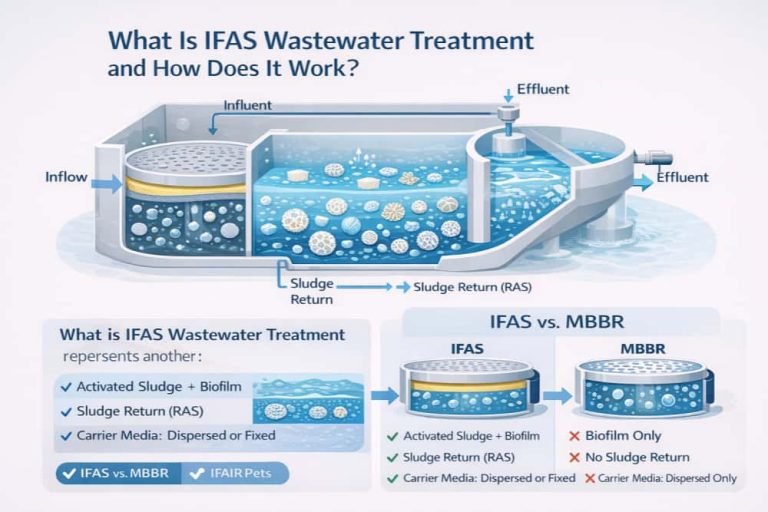
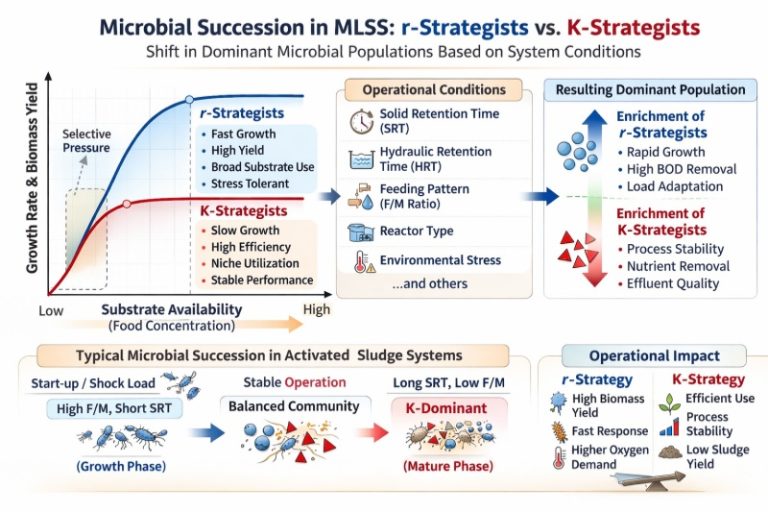
Biological phosphorus removal is one of the most effective and widely used methods for removing phosphorus from wastewater. It involves cultivating microorganisms, which can absorb and store phosphorus in the form of polyphosphate. This method uses bacteria such as phosphorus-accumulating organisms (PAOs), which absorb and store phosphorus during the anaerobic and aerobic phases of the treatment process. The PAOs are specially designed to accumulate phosphorus in their cells, and when they are later removed from the system, they take the phosphorus with them. Compared to traditional chemical methods, biological phosphorus removal has the advantage of producing much less sludge, reducing the need for chemical additives and lowering treatment costs. The process can be enhanced by controlling factors such as temperature, pH, and the availability of other nutrients. By optimizing these conditions, wastewater treatment plants can achieve high phosphorus removal efficiency while minimizing the environmental footprint of their operations.
Chemical Precipitation for Phosphorus Removal
Chemical precipitation is another common and highly effective method for phosphorus removal. It involves the addition of metal salts, such as aluminum sulfate (alum), calcium hydroxide (lime), or ferric chloride (iron), to wastewater. These metals react with phosphate ions to form insoluble phosphate compounds, which can then be removed by sedimentation or filtration. One widely used chemical method is lime precipitation, where lime reacts with the wastewater’s natural alkalinity to raise the pH and form calcium phosphate precipitates. This process is effective at removing large amounts of phosphorus, but it can lead to the production of significant amounts of sludge, which must be managed and disposed of appropriately. While this method is highly effective, its economic and environmental costs, including the disposal of sludge, should be considered. The effectiveness of chemical precipitation is influenced by the characteristics of the wastewater, such as pH and alkalinity, and may require adjustments depending on the specific conditions of the treatment system.
Filtration Techniques for Phosphorus Removal
Filtration methods, including disc filters, drum filters, and sand filters, are used to physically remove phosphorus from wastewater. These systems work by capturing suspended particulate matter that contains phosphorus. In some cases, membrane filtration technologies are employed for more advanced tertiary phosphorus removal. Filtration methods can be used as standalone treatments or in combination with biological and chemical methods to improve the overall efficiency of the treatment process. One of the main benefits of filtration systems is that they can be used for fine-tuning phosphorus removal, particularly when high levels of particulate phosphorus are present. Additionally, filtration methods, especially membrane filtration, provide a high degree of phosphorus removal and can be implemented in existing treatment plants without significant upgrades to infrastructure.
Phosphorus Recovery and Reuse
Phosphorus recovery is an emerging and innovative technology that not only addresses pollution but also creates economic value. The recovery process involves extracting phosphorus from wastewater and transforming it into a reusable product, typically as struvite (magnesium ammonium phosphate). This recovered phosphorus can be used in the production of fertilizers, providing a sustainable solution to phosphorus depletion in agriculture. Phosphorus recovery can reduce the environmental impact of wastewater treatment by turning waste into a valuable resource. It also helps to reduce the reliance on mined phosphorus, a finite resource. Various technologies, such as the Struvia process, are available for phosphorus recovery, offering significant potential for economic returns by producing fertilizer-grade struvite and contributing to the circular economy.
Challenges in Phosphorus Removal
While there are multiple methods available for phosphorus removal, each comes with its own set of challenges. One of the main issues is the varying characteristics of wastewater, which can affect the efficiency of treatment methods. In some cases, wastewater may contain high concentrations of competing ions, such as sulfate or chloride, which can interfere with the removal of phosphate ions. Additionally, methods like chemical precipitation can result in the production of large amounts of sludge, which must be properly handled and disposed of. This can increase the operational cost and environmental impact of the treatment process. The choice of phosphorus removal method depends on various factors, including the flow rate of wastewater, phosphorus concentration, local environmental regulations, and the desired treatment goals. Therefore, selecting the right method requires careful consideration of these factors to balance effectiveness, cost, and environmental sustainability.
How to Lower Phosphates in Swimming Pools
Phosphates are common contaminants in swimming pools and can lead to problems like algae growth, poor water quality, and cloudy water. Phosphates in pool water often come from sources such as fertilizers, detergents, and organic matter. When phosphates accumulate in the pool, they can create an environment conducive to algae growth. Therefore, it is essential to take measures to reduce phosphate levels in the pool water to maintain a clean, healthy, and aesthetically pleasing swimming environment. To lower phosphates in pools, various methods can be employed, including using phosphate removers, improving the pool’s filtration system, and maintaining proper water chemistry.
Steps to Lower Phosphate Levels in Your Pool:
- Use Phosphate Removers: These products are designed specifically to bind and remove phosphates from the pool water, helping to reduce algae growth and improve water clarity.
- Regular Pool Maintenance: Ensure that the pool is cleaned regularly and that the filtration system is operating efficiently. Proper circulation of water is key to preventing phosphate buildup.
- Monitor Water Chemistry: Regularly test and adjust the water’s pH, alkalinity, and chlorine levels to maintain optimal conditions for phosphate removal.
- Consider Saltwater Pool Systems: Saltwater pools often have better filtration systems that can help lower phosphate levels due to their natural process of water sanitization.
Conclusion: Effective Phosphorus Removal is Crucial
Phosphorus removal from wastewater is critical not only to protect water ecosystems but also to ensure the health and safety of human populations. Biological, chemical, filtration, and recovery methods all offer distinct advantages depending on the type of wastewater and treatment objectives. Understanding how to lower phosphates in pools or other water systems ensures that water quality is maintained at safe and healthy levels. By adopting the appropriate phosphorus removal techniques and utilizing available technologies, we can reduce environmental harm, promote sustainable water management, and mitigate the risks associated with high phosphorus concentrations.
Phosphorus removal methods play a key role in maintaining the ecological balance of water bodies. Whether in wastewater treatment or pool management, effective phosphorus control is essential for ensuring clean water and preserving the environment for future generations.
Relevant Keywords: phosphorus removal from wastewater, how do you lower phosphates in pool, wastewater phosphorus removal, biological phosphorus removal, high pool phosphates, phosphate in swimming pool water, high phosphate pool, phosphate remover, high phosphates in pool, high phosphates in swimming pool, how to get rid of phosphates in swimming pool, high phosphates in pool.