

Chemical Oxygen Demand (COD) is a important water-quality parameter that quantifies the total amount of oxygen required to chemically oxidize both dissolved and particulate organic matter. High COD levels can deplete dissolved oxygen, threaten aquatic life, and expose industries to regulatory surcharges. This guide covers why COD matters, how to measure it, and a full suite of treatment techniques—from pretreatment to advanced membrane technologies—to ensure compliance and protect the environment.

1. What Is Chemical Oxygen Demand (COD)?
COD represents the total oxygen needed to oxidize all organic compounds in water, whether soluble or particulate. It is one of the most important indicators of water pollution load:
- Industrial Effluents: Wastewater from factories containing oils, solvents, and organic chemicals.
- Landfill Leachate: Liquid percolating through solid waste, rich in organic acids and humic substances.
- Food & Beverage Wastewater: High organic content, especially from dairy, breweries, and canneries.
- Textile & Pulp & Paper Mills: Dye residues, lignin, and other complex organics.
- Chemical Plant Discharges: Concentrated organic pollutants requiring intensive oxidation.
- Domestic Sewage: Kitchen scraps, human waste, and other biodegradable organics.
- Agricultural Runoff: Fertilizers, animal waste, and pesticides entering waterways.
Elevated COD signifies a heavy organic load that consumes dissolved oxygen (DO), endangering fish and other aquatic species. Reducing COD not only safeguards ecosystems but also helps industries avoid extra discharge fees.
2. Why Monitor COD Levels?
Regular COD testing is the cornerstone of an effective pollution control strategy:
- Early Detection: Identifies spikes in pollution—such as accidental spills or illegal discharges—before ecological damage occurs.
- Process Optimization: Evaluates the efficiency of treatment units and pinpoints underperforming stages.
- Regulatory Compliance: Demonstrates to authorities that effluent meets permitted COD limits, avoiding fines and shutdowns.
- Public & Environmental Safety: Ensures receiving waters remain healthy for recreation, agriculture, and wildlife.

3. Why Manage Biological Oxygen Demand (BOD)?
- Environmental Protection: High BOD depletes oxygen, leading to fish kills and habitat degradation.
- Regulatory Compliance: Treatment plants must meet government-mandated BOD standards or face penalties.
- Public Health: Lower BOD prevents the spread of waterborne pathogens and improves overall effluent quality.
4. Methods to Reduce COD in Wastewater Treatment
4.1 Source Control & Pretreatment
- Flow Segregation: Divert high-strength wastewater streams (e.g., wash water) for targeted treatment.
- Chemical Precipitation: Add lime or alum to remove dissolved organics by forming insoluble complexes.
- Screening & Grit Removal: Eliminate large solids and sand to reduce initial COD load.
4.2 Coagulation & Flocculation
This two-step chemical approach aggregates fine particles into settleable flocs:
- Coagulation: Dose iron or aluminum salts (e.g., ferric chloride, alum) to neutralize charges and form micro-flocs.
- Flocculation: Gently stir to grow flocs that can be removed by sedimentation or filtration.
Advantages include high removal efficiency for suspended organics; trade-offs involve chemical costs and sludge handling.
4.3 Chemical Oxidation
Strong oxidants such as hydrogen peroxide, ozone, or chlorine rapidly break down complex organics into simpler, more biodegradable molecules. Ideal for high-load or recalcitrant wastewaters, though operational costs and by-product management can be significant.
4.4 Activated Sludge Process
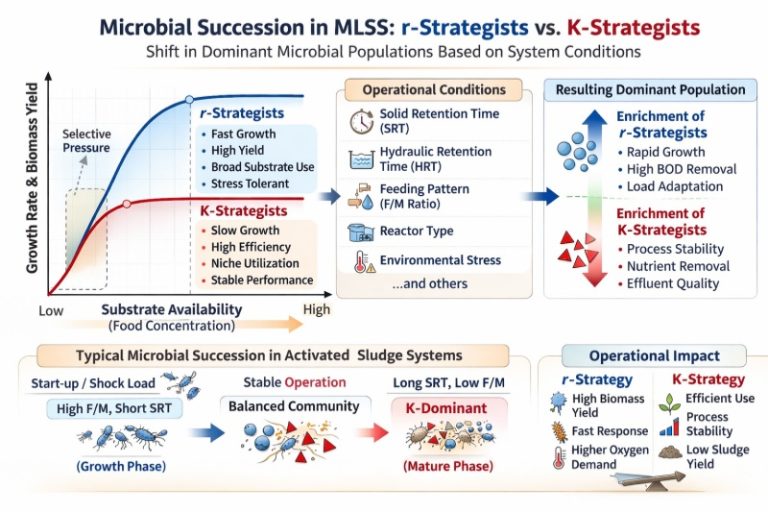
Aerobic microorganisms consume organic pollutants in an aeration basin, forming activated sludge. Important parameters include:
- Dissolved Oxygen (DO): Maintain >2 mg/L for optimal microbial activity.
- SRT/MLSS Control: Regulate Sludge Retention Time and Mixed Liquor Suspended Solids for stable performance.
- pH & Temperature: Keep within 6.5–8.0 and 15–30 °C for healthy biomass.
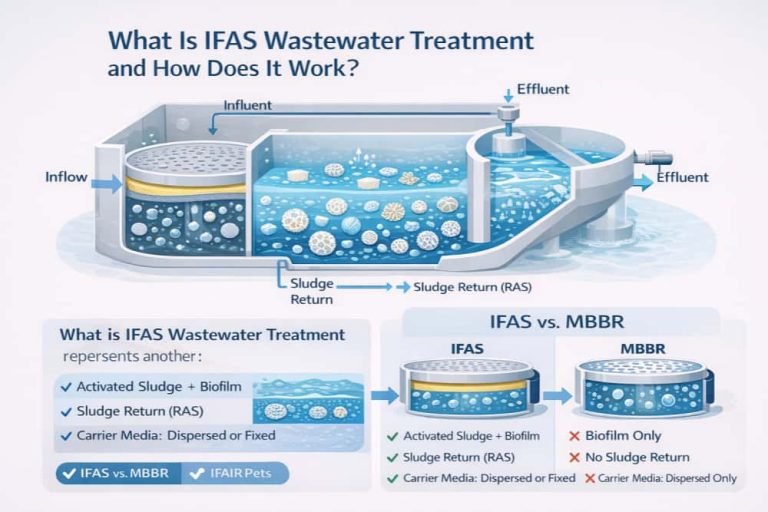
4.5 Advanced Biological Treatment: MBBR
Moving Bed Biofilm Reactor (MBBR) uses floating carriers to support biofilm growth, boosting treatment capacity without expanding reactor volume. Benefits include reduced chemical usage and robust performance under load fluctuations.
4.6 Reverse Osmosis (RO)
RO membranes separate pure water from concentrated pollutants under pressure. Key points:
- Membrane Selection: Choose pore sizes to reject target organics.
- Antiscalant Dosing: Prevent fouling and extend membrane life.
- Concentrate Management: Safely handle the reject stream rich in COD.
4.7 Real-Time Monitoring Systems
Integrate online COD sensors and SCADA platforms to continuously track treatment efficacy. Combine COD and periodic BOD sampling for a complete view of organic load trends, enabling rapid process adjustments.
5. Frequently Asked Questions (FAQs)
- Q1: Why is COD so high in some wastewaters?
- A: Common sources include food waste, oils, and industrial organics present in municipal and industrial streams.
- Q2: Why is lowering COD important?
- A: Excessive COD depletes dissolved oxygen, destabilizes ecosystems, and risks non-compliance with discharge permits.
- Q3: How do flocculants reduce COD?
- A: They coagulate dispersed particles into flocs that settle or filter out, removing organics from the water.
- Q4: Can COD be reduced to zero?
- A: Complete elimination is impractical, but advanced treatment can lower COD to meet stringent regulatory thresholds.
- Q5: What’s the difference between COD and TOC?
- A: COD measures all oxidizable substances (organic & inorganic), while TOC quantifies only organic carbon, often with faster analysis.
- Q6: What innovative technologies exist for COD reduction?
- A: Examples include Advanced Oxidation Processes (AOPs), MBBR, Membrane Bioreactors (MBR), and anaerobic digestion.
- Q7: How often should COD be tested?
- A: Frequency depends on regulations and wastewater variability; many industries conduct daily or weekly analyses.
6. Challenges & Limitations
- High Capital & Operating Costs for advanced oxidation and membrane systems.
- Technical Complexity requiring skilled operators and maintenance teams.
- Sludge Management challenges associated with chemical and biological residuals.
- Influent Variability that can destabilize treatment performance.
7. Conclusion
Effective COD control demands a holistic approach—starting with source separation, through optimized chemical and biological treatments, to cutting-edge membrane and monitoring solutions. By combining proven technologies like coagulation, activated sludge, and RO with innovations such as MBBR and real-time sensors, facilities can secure ecological health, regulatory compliance, and operational efficiency. Ongoing investment in green chemistry and smart wastewater infrastructure will be the cornerstone of sustainable water management moving forward.