

Description
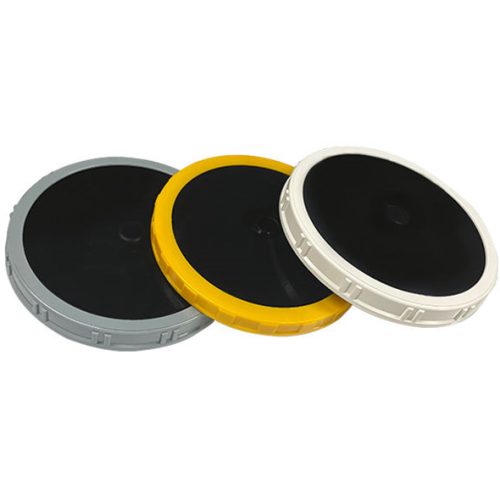
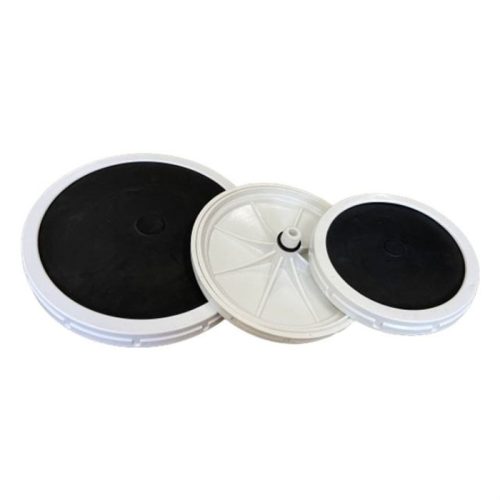
The fine bubble diffuser system is essential in both activated sludge and lagoon wastewater treatment. By producing oxygen bubbles, it nourishes the microorganisms needed for the aeration process. Aeration is a biological stage in secondary wastewater treatment, where high-quality diffusers provide oxygen to beneficial bacteria. These bacteria assist in breaking down organic matter. In the diffuser assembly, the air is distributed through highly efficient fine bubble tubular membranes, creating 1 mm fine bubbles for aeration and mixing.
Why Fine Bubble Diffusers Are Important
The primary stage of wastewater treatment uses physical processes to remove solid waste. The secondary stage, however, is a biological process that relies on beneficial microorganisms to break down more solid contaminants. Aeration is a key part of this biological stage, as it provides oxygen to microorganisms, enabling them to metabolize organic matter in the water.
In the secondary treatment phase, aeration tanks inject oxygen into the water through diffusers. These diffusers have tiny holes that produce fine bubbles when they come into contact with water. These bubbles provide the oxygen required by the microorganisms in the tank. Providing oxygen to the bacteria helps them generate enzymes, which accelerate the breakdown of organic matter.
Introducing oxygen also helps mix the wastewater and keeps solids suspended, preventing excessive sludge accumulation. Once the organic matter is decomposed, it settles into secondary or settling tanks. As biological solids combine, they form sludge, which is pumped back into the aeration tank to introduce new microorganisms to break down additional waste.
Because the aeration process can account for 30% to 70% of the energy consumption in a treatment plant, selecting the right diffuser is crucial. Having the right aeration equipment can reduce energy consumption and lower costs. The fine bubble diffuser provides more oxygen to microorganisms while using less power, making it an energy-efficient option.
How Fine Bubble Diffusers Work
The fine bubble diffuser system saves energy by generating highly efficient aeration and oxygen transfer. Standard aeration efficiency (SAE) measures how much oxygen a blower diffuses into the water per horsepower per hour. Fine bubble diffusers use half the air compared to coarse bubble diffusers and generate more than double the oxygen.
Standard oxygen transfer efficiency (SOTE) indicates how well oxygen is mixed into the water during the aeration process. Fine bubble membrane diffusers release smaller diameter bubbles compared to coarse bubble diffusers. Typically, fine bubble diffusers produce bubbles with diameters ranging from 1 to 3 mm. These fine bubbles deliver more than 2% of SOTE, which is twice the oxygen produced by coarse bubble diffusers.
The fine bubble diffuser generates a large number of small bubbles due to the speed and surface area of the bubbles. Small bubbles rise slower than large bubbles, allowing the air and water to combine for a longer time and enabling more oxygen to disperse into the water. Additionally, the large number of small bubbles covers a larger surface area than a few larger bubbles.
Types of Fine Bubble Diffusers
Fine bubble diffusers are made from various materials and work in different ways. The types of fine bubble diffusers include:

- Fine bubble plate diffusers
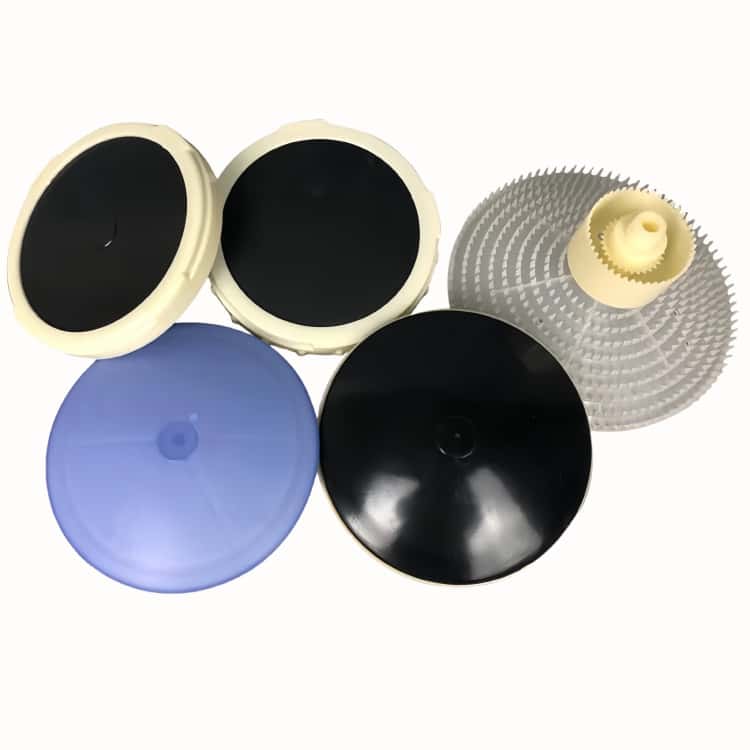
- Fine bubble disc diffusers
- Fine bubble tube diffusers
- Coarse bubble disc diffusers
Key design parameters for selecting the most effective system to meet your aeration and mixing goals include:
- Aeration system type
- Tank/sludge pit size
- Number and configuration of diffusers
- Airflow and pressure requirements
Advantages of Fine Bubble Diffusers
- Enhanced Oxygen Transfer Rate: Fine bubbles increase the oxygen solubility, optimizing the oxygen supply during the water treatment process.
- Energy Efficiency: Compared to traditional bubble diffusers, fine air bubble diffusers require less operating pressure, effectively reducing energy consumption and operational costs.
- Low Maintenance Cost: High-quality materials ensure the diffuser’s long-term stable operation, reducing cleaning and replacement frequency and lowering maintenance costs.
- Versatility: The fine bubble aeration system works effectively in a wide range of water quality environments, including high-salinity and acidic or alkaline conditions.
Working Principle of Fine Bubble Diffusers
The fine bubble membrane diffuser works by sending compressed air into the water, which forms tiny bubbles through porous media in the diffuser. Because the bubbles are fine, they increase the contact surface area between the gas and water, enhancing oxygen transfer efficiency and promoting the breakdown of organic matter. This diffuser is commonly used in wastewater treatment, aquaculture, and water body restoration to increase the dissolved oxygen levels, improving water quality and reducing pollution.
Applications of Fine Bubble Diffusers

- Sewage Treatment: Used in activated sludge systems, SBR, and MBBR, fine bubble diffusers for STP effectively provide the dissolved oxygen required by microorganisms to break down organic pollutants.
- Aquaculture: Fine air bubble diffusers are employed in fish ponds and aquaculture tanks to provide sufficient oxygen, ensuring the healthy growth of aquatic life.
- Lake Water Quality Restoration: Used for nutrient removal and enhancing the self-purification ability of lakes and rivers, fine air bubble diffusers improve water quality.
- Industrial Wastewater Treatment: Used in industries like chemicals, paper, and power generation to improve wastewater treatment efficiency.
Technical Parameters
- Bubble Diameter: 1 mm or smaller
- Working Pressure: 0.2–0.4 MPa
- Flow Rate: Adjustable based on system requirements
- Materials: PP, EPDM, etc.
- Diffuser Types: Tube, plate, spherical
- Size: Customized according to client needs
- Installation: Floating or fixed
Installation and Usage
- Installation Location: Install at the bottom or sides of the aeration tank to ensure uniform air distribution throughout the water.
- Installation Requirements: Maintain the diffuser at an appropriate angle to ensure even bubble distribution. The system should avoid high-flow areas to prevent bubble loss.
- Operation and Maintenance: Regularly check the diffuser’s performance, clean the holes to prevent clogging, and replace worn parts as necessary.
Common Questions and Answers
- How can the efficiency of fine bubble diffusers be improved? Fine bubble diffusers optimize bubble size and distribution, increasing the contact area for better oxygen transfer efficiency. Reducing bubble clustering and air flow waste is also key to improving efficiency.
- How do I maintain fine bubble diffusers? Regularly clean the bubble holes and check the system’s seals to prevent blockages. Replace aging parts to ensure the diffuser’s long-term stability.
- What types of water conditions can fine bubble diffusers handle? Fine bubble diffusers can adapt to various water conditions, including acidic, alkaline, and high-salinity environments.

We offer customized solutions for each customer, providing diffusers of different specifications and types to ensure optimal system performance. Our professional team offers comprehensive technical support, ensuring smooth installation and maintenance, helping customers improve wastewater treatment efficiency and reduce operating costs.
Choosing our fine bubble diffusers means choosing a future of efficiency, energy savings, and sustainable development. We look forward to partnering with you to provide the best solutions for your water treatment needs and contribute to the green development of the industry.
If you have any needs, please feel free to contact us. We are dedicated to serving you!