

Description
Plastic wire gauze packing is a specialized type of packing made from a blend of woven plastic mesh materials, including polypropylene, polyacrylonitrile, and nylon. The structure consists of a mix of polypropylene and polyacrylonitrile fibers, offering superior chemical stability and impressive corrosion resistance. This packing material is designed for use in environments with a maximum operating temperature of 80°C and is especially effective in waste gas purification applications.
Key Features of Plastic Wire Gauze Packing:
- Low Pressure Drop: Plastic wire gauze packing ensures minimal resistance to gas flow, helping to reduce energy consumption in industrial processes.
- Efficient Gas-Liquid Distribution: Its uniform mesh structure allows for excellent gas-liquid contact, which is crucial for effective separation and mass transfer.
- High Flux with Minimal Expansion Effect: This packing material is capable of handling large volumes of gas while maintaining its efficiency without significant expansion, making it ideal for various industrial applications.
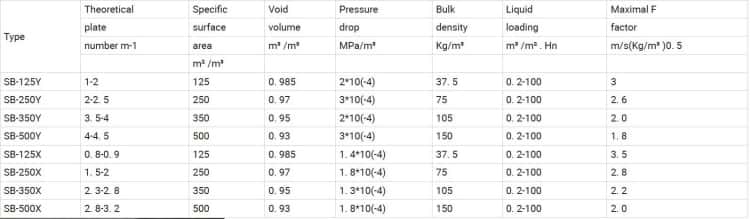
Specifications of Plastic Wire Gauze Packing:
Advantages of Using Plastic Wire Gauze Packing:
- Low Pressure Drop: The design of the packing minimizes resistance, promoting efficient flow and reducing operational energy costs.
- Exceptional Chemical and Thermal Durability: Plastic wire gauze packing is highly resistant to corrosion, ensuring long-lasting performance even in aggressive environments.
- Good Thermal Shock Resistance: This packing material is designed to withstand temperature changes, maintaining its integrity and functionality in demanding conditions.
- High Geometric Surface Area: The packing’s structure maximizes surface area, enhancing the efficiency of gas-liquid interactions.
- Low Expansion Coefficient: With its stable structure, the plastic wire gauze packing resists significant size changes due to temperature fluctuations.
Applications:
Plastic wire gauze packing is commonly used in small to medium diameter columns where optimizing the number of theoretical stages is crucial. Its high efficiency and minimal height requirement make it an ideal solution for applications such as gas purification and other gas-liquid separation processes.